
Vector Image Conversion for Screen Printing vs Embroidery
In the world of custom apparel and promotional products, vector image conversion plays a crucial role in ensuring high-quality results. Whether you're working with screen printing or embroidery, understanding the differences in vector image conversion for these two processes is essential for achieving the best possible outcome.
Understanding Vector Image Conversion
Vector images are composed of paths defined by mathematical expressions, allowing them to be scaled without losing quality. This makes them ideal for printing and embroidery, where precision and clarity are paramount. The conversion process involves transforming raster images, which are pixel-based, into vector format, which is essential for both screen printing and embroidery.
Vector Conversion for Screen Printing
Screen printing is a popular method for creating vibrant and durable designs on various materials. The process involves creating a stencil, or screen, for each color in the design. Vector images are preferred for screen printing because they ensure sharp lines and consistent color separations. The conversion process for screen printing focuses on maintaining the integrity of the design's lines and colors, which is crucial for achieving high-quality prints.
Vector Conversion for Embroidery
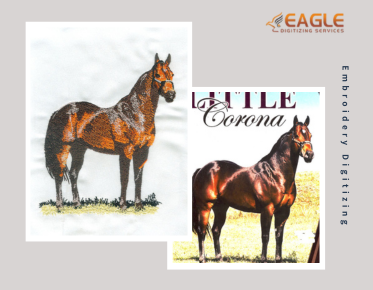
Embroidery involves stitching designs onto fabric using threads. The conversion process for embroidery is more complex than for screen printing because it requires translating the design into a format that embroidery machines can read. This process, known as embroidery digitizing, involves creating a stitch file that guides the machine on how to sew the design. Factors such as stitch type, direction, and density must be considered to ensure the final product looks as intended.
Key Differences in Conversion Processes
While both screen printing and embroidery require vector images, the conversion processes differ significantly. Screen printing focuses on color separations and sharp lines, while embroidery digitizing requires attention to stitch patterns and fabric types. Additionally, embroidery digitizing often involves more intricate adjustments to accommodate the texture and behavior of the fabric.
The Role of Professional Services
Given the complexities involved in vector image conversion, many businesses turn to professional services to ensure the best results. Companies like Eagle Digitizing offer specialized digitizing services that cater to both screen printing and embroidery needs. Their expertise in creating precise vector conversions and embroidery digitizing files can save time and reduce errors, leading to superior final products.
Choosing the Right Service for Your Needs
When selecting a service for vector image conversion, consider the specific requirements of your project. For screen printing, focus on services that excel in color separations and line precision. For embroidery, look for providers with a strong track record in embroidery digitizing, as this will ensure your designs are accurately translated into stitch files.
Future Trends in Vector Image Conversion
As technology advances, the processes for vector image conversion continue to evolve. Automation and AI are playing increasingly significant roles, offering more efficient and accurate conversion methods. These advancements promise to further enhance the quality and speed of both screen printing and embroidery, providing exciting opportunities for businesses in the custom apparel industry.
In conclusion, understanding the nuances of vector image conversion for screen printing and embroidery is crucial for achieving high-quality results. By leveraging professional services and staying informed about technological advancements, businesses can ensure their designs are brought to life with precision and excellence.