Blog
How to Vectorize a Logo for Screen Printing
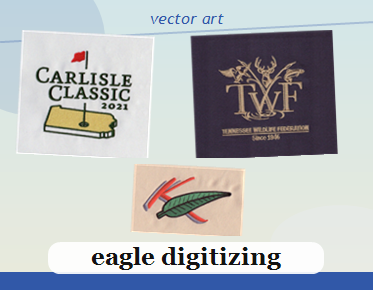
To vectorize a logo for screen printing, recreate its artwork as clean, editable shapes and paths, then confirm that its colors and details suit the intended...
Read More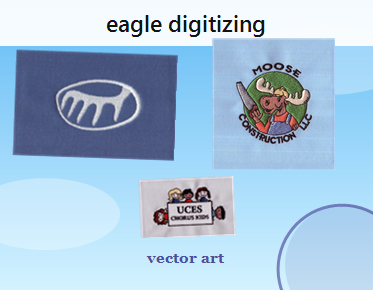
How to Convert a Hand-Drawn Sketch into Clean Vector Artwork
To convert a hand-drawn sketch into clean vector artwork, trace the strongest shapes, remove stray marks, rebuild smooth curves, and save a scalable file that...
Read More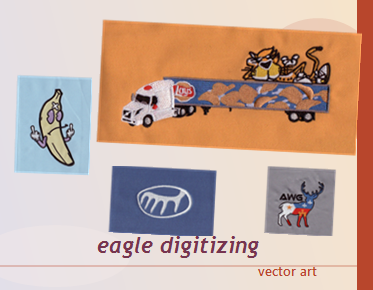
JPG to Vector: How We Prepare Low-Resolution Artwork
Low-resolution JPG artwork is prepared for embroidery by cleaning the image, rebuilding weak edges as vector shapes, and adjusting the design so it can be...
Read More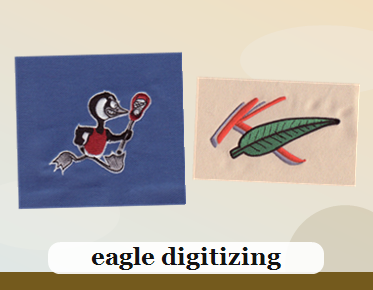
What Makes a DST File Production Ready?
A production-ready embroidery digitizing setup ends in a clean DST file that stitches accurately, matches the fabric, and avoids surprises on the machine. The...
Read More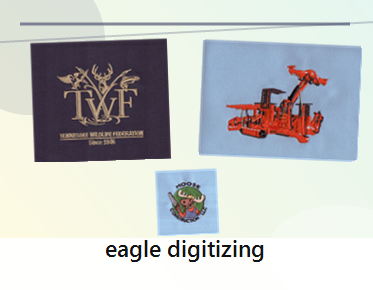
Embroidery Digitizing for Hats vs Left-Chest Logos
Embroidery digitizing for hats and left-chest logos is never the same job: hats need curved-surface control, while left-chest designs need small, readable...
Read More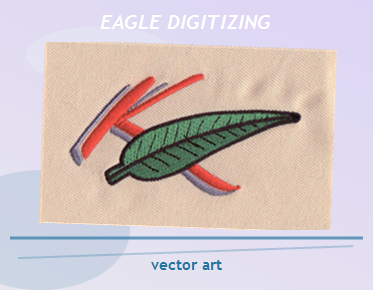
What to Send for a Fast Quote on JPG to vector logo conversion
For the fastest JPG to vector logo quote, send the clearest JPG you have, the final use case, the target size, the number of colors, and any cleanup notes that...
Read More